 Rafflers Certified Draws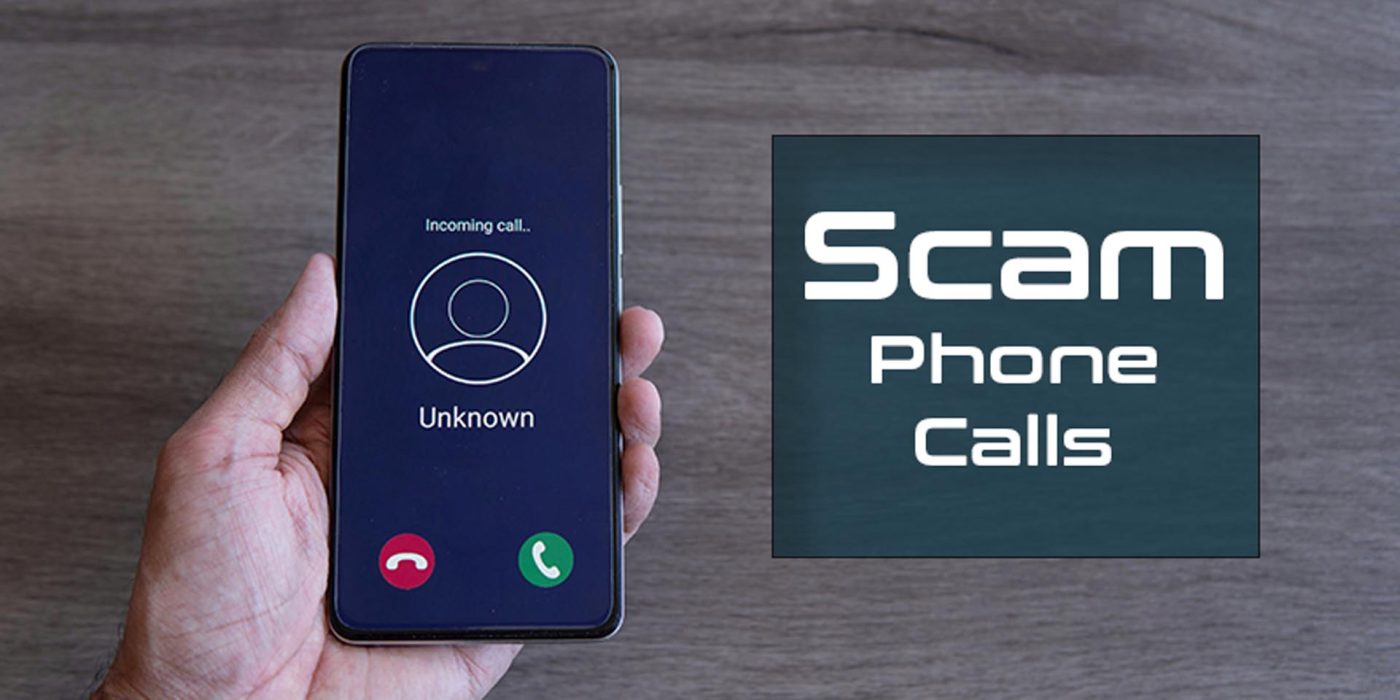
Scam Phone Calls
In the first 3 months of 2023, over 40 million adults received scam phone calls. The scammers claim to be from genuine companies including banks and highly established companies such as Microsoft or the UK Government. Such spam phone calls are an attempt to fool innocent people into handing over personal data. Furthermore, scammers will also attempt to trick you into handing over your hard earned cash!
Some spam calls will claim that you have won a prize! They will encourage you to hand over some personal details in which to receive the prize. If you’ve recently entered an online raffle then this could all seem very legitimate! However, its always worth being vigilant and cautious with any such phone calls.
Those running a legitimate online raffle will ring a winner LIVE online! This makes the whole process as legitimate as it can get! However, the fact that phone calls are used to inform winners has resulted in scammers taking advantage of this process.
An example of such a phone call is as follows…
** You will receive a phone call claiming that you have won an amount of cash. To receive the prize winnings you’re asked to provide your card details. This is so the funds can be transferred to your account. You hand over your card details, including the long number and cvv number. The scammer is now able to withdraw money from your account.
Avoiding scam phone calls takes a proactive approach. Here are some steps you can take to avoid being scammed, not just with online raffles, but all scam phone calls in general.
Verify the Caller’s Identity
If you’ve entered an online raffle and you have won an item or an amount of money then you will be asked to provide some personal details. They will need your address to have your prize delivered and also your bank details.The details you provide should only ever be your name, account number and sort code. Once you have given these details you will receive a bank transfer with the amount of cash you have won. If you are watching the winner being picked LIVE online then you have nothing to worry about! After all, you will be able to see your phone call in action and be clear on the identity of the caller.
You do have the right to ask the caller to identify who they are. The best way to do this is to ask the caller to message you on social media. If the message is clearly received from the official social media account of the raffle provider then you will know the call is genuine.
*Scammers will rarely provide any contact details. If you ask for their phone number, address or email address and they refuse to provide this then simply hang up and assume it is a scam.
Manipulation
Scammers like to use high pressure tactics to manipulate you into handing over your personal details. They will ask you to act immediately and sometimes even threaten that you will lose out if you don’t do what they are asking immediately.
Genuine raffle providers are friendly and honest people and they would never risk such a phone call. Doing so could destroy the reputation of their business.
Poor English
A huge majority of spam phone calls come from outside of the UK. If the language being used by the caller is of a foreign nature, then be highly cautious, as phone calls regarding prize draws will never come from outside of the UK. Do your checks to verify the callers identity and if you can’t seem to get any solid clarification about who they are then hang up and block the number!
Call Back Requests
You may find that scammers will leave you a voicemail with a request to call them back. They should leave a company name in the their recorded message, so first thing to do is check the legitimacy of the company. Simply use Google Search or any other online search engine to research the company name. If there is no website associated with the company then it is most likely a scam. The second thing you can do is look up the phone number that you have been asked to call back on. If the number has been used previously to scam people, you may find that their have been previous reports and warnings online. If you can’t find any information about the phone number at all then assume it is a scam.
Do Not Pay Money Upfront
If you are a legitimate prize winner then you will never need to make any kind of upfront payment in order to receive your prize. If you are asked to do so then this is certainly a scam. Hang up and block the number.
Have you been scammed by someone claiming to be an online raffle provider? We would love to hear from you! Please contact us so we can add this to our records and inform our website and social media followers.
Scam Phone Calls & Online Raffle Safety – FAQs
Scam phone calls related to online prize draws are fraudulent calls where someone falsely claims that you have won a prize. The caller may pretend to represent a legitimate company, bank, or prize draw business and attempt to convince you to provide personal or financial information. These scams often target people who have recently entered a prize draw, making the call appear convincing.
A common prize draw scam phone call involves a caller telling you that you have won a cash prize or item. They may ask for card details, security numbers (CVV), or other sensitive information in order to “transfer the winnings.” Once they have these details, scammers can withdraw money from your account or commit financial fraud.
Legitimate prize draw operators often announce winners live on social media for transparency. Many reputable operators will call the winner while the draw is happening live online, allowing viewers to see the entire process in real time. This makes it much easier to confirm the identity of the caller and the legitimacy of the prize.
If you win a legitimate online prize draw, the organiser may ask for limited details to deliver the prize or process payment. Typically, this may include:
-
Your name
-
Your address (for prize delivery)
-
Your bank account number and sort code for a bank transfer
You should never provide card details, CVV numbers, passwords, or security codes to claim a prize.
To verify a prize draw winner phone call, you can:
-
Ask the caller to message you from the official social media account of the prize draw business.
-
Confirm that the draw results was broadcast live online.
-
Check the company’s official website or social profiles to verify their contact details.
-
Ensure the caller is happy to identify themselves and provide business contact information.
If they refuse to do so, it is likely a scam phone call.
Typical signs of an online prize draw scam include:
-
The caller asks for card details or payment information
-
You are pressured to act immediately
-
The caller refuses to provide company contact details
-
The call comes from an unknown number with no online presence
-
You are asked to pay a fee to receive your prize
If any of these occur, you should hang up and block the number immediately.
No. A genuine online prize draw operator will never ask you to pay money upfront to receive your prize. If a caller asks for a fee, payment, or deposit before awarding your winnings, it is almost certainly a scam.
If you receive a suspicious call claiming you have won a prize draw:
-
Do not share personal or financial information
-
Ask the caller to verify their identity
-
Search the company name and phone number online
-
Check if the draw results were announced live
-
Hang up and block the number if anything seems suspicious
Taking these precautions can help protect you from online prize draw scams and fraudulent phone calls.